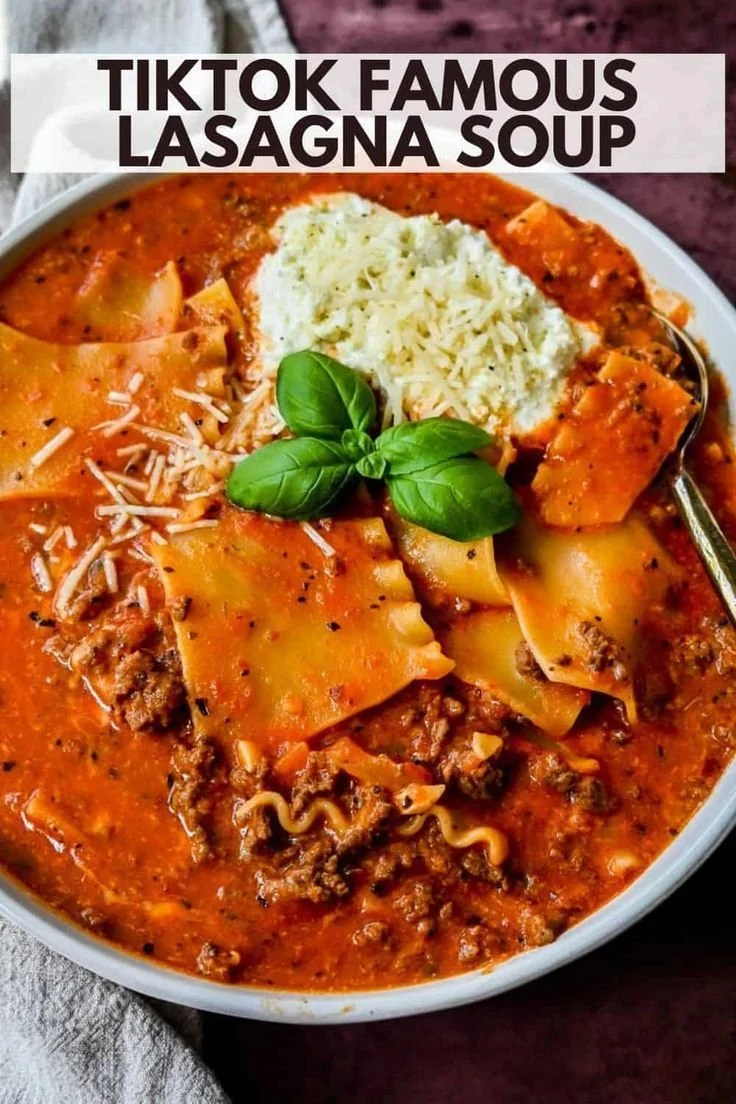
Making Homemade Marinara Sauce opens up a world of flavor and freshness in your kitchen. This simple yet vibrant sauce is worth making from scratch, combining readily available ingredients for a meal that’s both comforting and versatile. Whether you’re using it for pasta, pizza, or dipping, homemade marinara is a delightful treat that promises to elevate your dishes.
Why You’ll Love Homemade Marinara Sauce
- Fresh Flavor: Unlike store-bought options, this homemade recipe captures the essence of ripe tomatoes and fresh herbs for an authentic taste.
- Customizable: Adjust ingredients to suit your taste—add more garlic for depth, or throw in a pinch of red pepper flakes for a spicy kick.
- Quick to Prepare: With minimal prep time and work, you can have a rich marinara sauce ready in under 30 minutes.
- Healthy and Wholesome: Made with natural ingredients, it’s a healthier alternative to many commercial sauces packed with preservatives.
- Budget-friendly: Using pantry staples, this sauce is cost-effective while delivering great flavor.
- Meal Prep Friendly: Make a large batch and store it for quick dinners during the week.
Recipe Overview
- Prep Time: 10 minutes
- Cook Time: 20 minutes
- Total Time: 30 minutes
- Servings: 4
- Difficulty Level: Easy
Ingredients You’ll Need for Homemade Marinara Sauce
- Olive oil (2 tablespoons): For sautéing and adding richness.
- Garlic (4 cloves, minced): Provides aromatic flavor.
- Canned whole tomatoes (28 ounces): The base of the sauce; choose high-quality San Marzano for best results.
- Dried oregano (1 teaspoon): Adds herbal notes.
- Salt (to taste): Enhances all the flavors.
- Fresh basil (a handful, torn): For fresh flavor; add at the end to keep its vibrant color.
- Black pepper (to taste): To finish, adding a slight warmth.

How to Make Homemade Marinara Sauce
-
Heat the Oil
In a medium-sized saucepan, heat the olive oil over medium heat. -
Sauté the Garlic
Add the minced garlic and sauté for about 1 minute, or until fragrant, being careful not to burn it. -
Add Tomatoes
Pour in the canned whole tomatoes. Use a wooden spoon to break them up as they cook. -
Season the Sauce
Stir in the dried oregano and some salt and pepper to taste. Bring the mixture to a gentle simmer. -
Simmer
Reduce the heat to low and let it simmer uncovered for about 20 minutes. This allows the flavors to meld and the sauce to thicken. -
Finish with Basil
In the last few minutes of cooking, add the torn fresh basil leaves, stirring well. -
Taste and Adjust
Taste the sauce and adjust seasoning with more salt or pepper if desired. -
Serve or Store
Use immediately with your favorite pasta or pizza, or let it cool before storing.
Tips for Success
- Choose Quality Tomatoes: Good tomatoes are the backbone of this sauce. San Marzano tomatoes are highly recommended for their sweetness and low acidity.
- Don’t Rush the Simmer: Allowing the sauce to simmer helps to deepen the flavors. A longer simmer will yield a more flavorful sauce.
- Mash to Desired Texture: If you prefer a smoother sauce, use a blender or immersion blender to achieve your desired consistency.
- Fresh Ingredients Matter: Use fresh garlic and basil for maximum flavor. Dried herbs can certainly work, but nothing beats fresh.
- Experiment: Feel free to throw in additional vegetables like bell peppers or mushrooms to the sauce for extra zest.
Easy Variations
- Spicy Marinara: Add red pepper flakes or chopped fresh chili to the sauté for a spicy kick.
- Vegetable Marinara: Incorporate finely chopped onions, bell peppers, or carrots for added texture and nutrition.
- Herbed Marinara: Experiment with different herbs like rosemary or thyme in place of oregano to switch up the flavor profile.
- Creamy Marinara: Stir in a splash of heavy cream or a few tablespoons of mascarpone at the end for a creamy variation.
- Garlic Parmesan Marinara: Finish with freshly grated Parmesan cheese for a rich, savory enhancement.
What to Serve with Homemade Marinara Sauce
- Spaghetti: A classic pairing that showcases the sauce perfectly.
- Zucchini Noodles: For a lighter, gluten-free option that still packs flavor.
- Pizza: An ideal base sauce for homemade pizzas.
- Meatballs: A traditional pairing that makes for a satisfying meal.
- Bruschetta: Use as a topping on toasted baguette slices for a simple appetizer.
Storage and Reheating
- Refrigerator Storage: Store leftover marinara in an airtight container in the fridge for up to 5 days.
- Freezer Storage: This sauce freezes well; transfer to a freezer-safe container and store for up to 3 months. Thaw in the fridge overnight before reheating.
- Best Reheating Method: Reheat gently in a saucepan over low heat, adding a little water if the sauce thickens too much.
- Preserving Texture: Avoid boiling the sauce when reheating to prevent breaking down the tomatoes and herbs.
Common Mistakes to Avoid
- Overcooking Garlic: Sautéing garlic too long can lead to bitter flavors; watch it closely.
- Using Low-Quality Tomatoes: Poor tomatoes lead to a lackluster sauce. Invest in good canned tomatoes.
- Neglecting to Simmer: Skipping the simmer step can result in a bland sauce. Allowing it time to cook is key.
- Not Tasting: Always taste your sauce before serving to ensure it’s seasoned properly.
- Skipping Fresh Herbs: Don’t forget the fresh basil at the end for a burst of flavor.
Homemade Marinara Sauce: Background & Cultural Inspiration
Marinara sauce has its origins in Southern Italy, traditionally associated with the coastal city of Naples. It began as a simple tomato sauce prepared by sailors returning home from sea, using the freshest ingredients they could find. The beauty of marinara lies in its simplicity, allowing the vibrant flavors of tomatoes and herbs to shine. This humble sauce has evolved into a staple in Italian cuisine and is cherished around the world. Its versatility makes it perfect for pasta, pizza, and countless other dishes, celebrating the rich culinary heritage of Italy while appealing to modern tastes.
Frequently Asked Questions
Can I use fresh tomatoes instead of canned?
Yes, fresh tomatoes can be used, but they’ll require peeling and seeding first. Ripe Roma or San Marzano tomatoes are excellent choices.
How long can marinara sauce be stored?
In the refrigerator, marinara can last up to 5 days. Freezing can extend its life to about 3 months.
Can I make this sauce spicy?
Absolutely! Adding red pepper flakes or fresh chili peppers while cooking will give it a nice heat.
Can I make marinara sauce ahead of time?
Yes, marinara sauce can be made in advance and stored in the fridge or freezer for easy meal prep.
What’s the best way to reheat marinara sauce?
Reheat gently on the stove over low heat to prevent the sauce from breaking or becoming too thick.
Final Thoughts
Homemade Marinara Sauce is a delightful addition to any kitchen repertoire. Easy to make and bursting with fresh flavor, it enhances a variety of meals from pasta to pizza. By making it yourself, you’re embracing tradition while enjoying the satisfaction of a delicious homemade dish. So gather your ingredients and start creating this classic sauce—your taste buds will thank you!