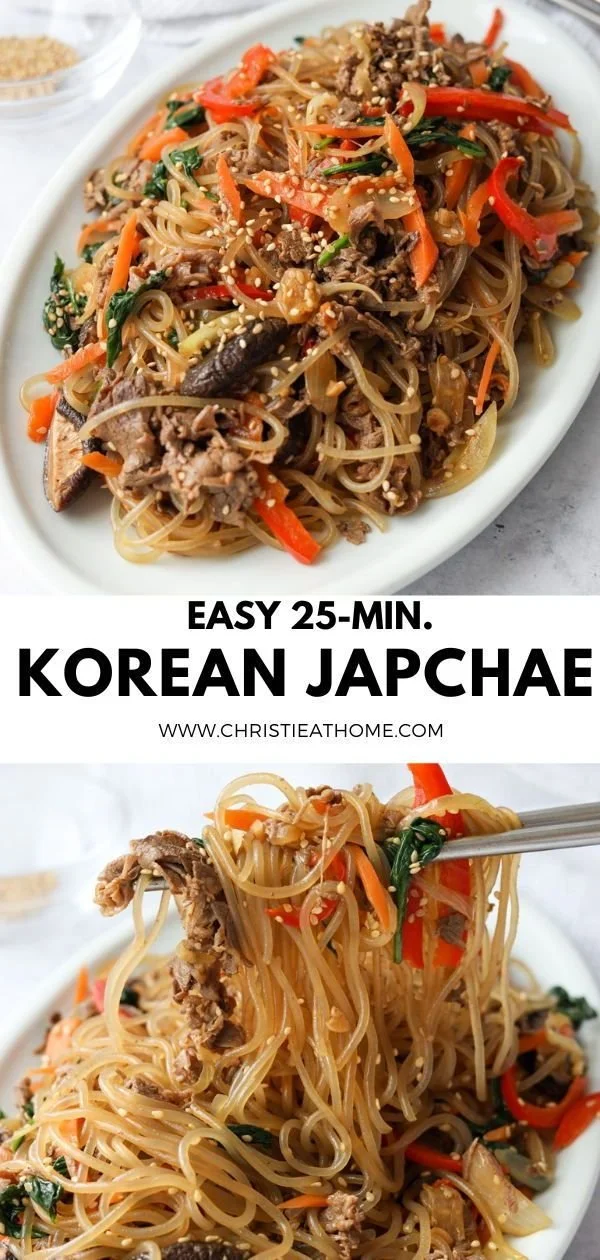
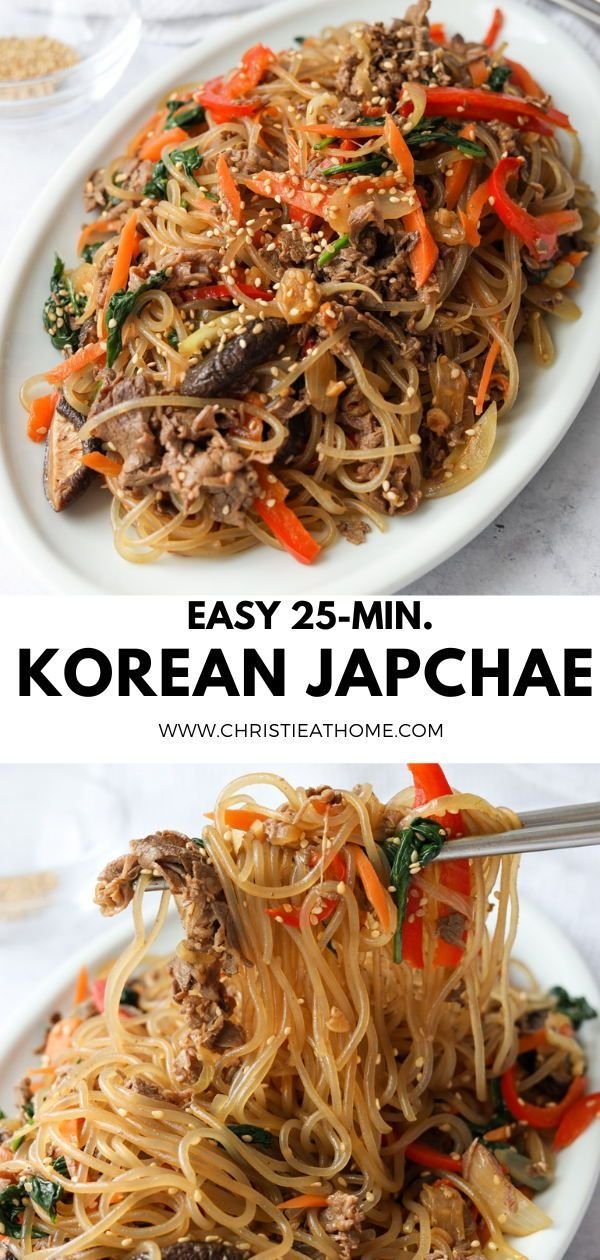
Japchae is a delightful Korean dish that’s both comforting and versatile. This recipe features sweet potato starch noodles stir-fried with marbled beef and colorful vegetables, all coated in a savory soy sauce blend. It’s a fantastic option for a cozy weeknight meal or a special occasion, offering a delicious way to enjoy fresh ingredients in one satisfying dish.
Why You’ll Love Japchae
- Fast Cooking Time: Ready in just 25 minutes, Japchae is perfect for those busy evenings when you crave something homemade but don’t want to spend hours in the kitchen.
- Deliciously Versatile: You can easily customize the ingredients based on what you have on hand or your family’s preferences. Whether you want to add more vegetables or switch up the protein, Japchae welcomes personalization.
- Healthy Ingredients: Packed with nutritious vegetables and high-quality protein from the beef, this dish provides a balance of flavors and nutrients without feeling heavy.
- Great for Meal Prep: Japchae keeps well in the fridge, making it an excellent choice for meal prepping. You can cook a batch to enjoy throughout the week.
- Family-Friendly: This dish appeals to both kids and adults. The sweet and savory flavor profile, combined with the chewy texture of noodles, ensures it’s a beloved meal at the dinner table.
Recipe Overview
- Prep Time: 10 minutes
- Cook Time: 15 minutes
- Total Time: 25 minutes
- Servings: 4
- Difficulty Level: Easy
Ingredients You’ll Need for Japchae
-
Noodles:
- Sweet potato starch noodles (commonly known as dangmyeon): these noodles are chewy and absorb flavors well.
-
Protein:
- Marbled beef: tender cuts like ribeye work well, providing richness to the dish.
-
Vegetables:
- Carrots: sliced thinly for sweetness and crunch.
- Spinach: adds vibrant color and nutrition.
- Bell peppers: use a mix of colors for visual appeal.
- Onion: thinly sliced for a hint of sweetness.
-
Sauce and Seasoning:
- Soy sauce: provides the salty umami flavor.
- Sesame oil: adds a nutty depth.
- Garlic: minced for aroma and flavor.
- Sesame seeds: optional garnish for crunch.
- Sugar: balances the saltiness.
- Black pepper: for a bit of heat.
How to Make Japchae
-
Cook the Noodles: Prepare the sweet potato starch noodles according to package instructions. Once done, drain them and set aside.
-
Slice the Ingredients: Thinly slice the marbled beef and vegetables (carrots, bell peppers, and onion). This ensures even cooking and a nice presentation.
-
Cook the Beef: In a large pan, heat sesame oil over medium heat. Add the sliced beef and cook until browned, usually around 3-4 minutes. Avoid overcrowding the pan to ensure even browning.
-
Add Vegetables and Garlic: Add minced garlic and the carrots, bell peppers, and onions to the pan. Stir-fry for about 5 minutes, or until the vegetables are tender but still crisp.
-
Combine Everything: Toss the cooked noodles into the pan along with soy sauce, sugar, and black pepper. Mix everything together gently, ensuring the noodles and vegetables are well coated.
-
Serve and Garnish: Serve hot, topped with sesame seeds and additional vegetables if desired.
Tips for Success
- Don’t Overcook the Noodles: Ensure you cook the sweet potato noodles just until tender. Overcooked noodles can become mushy.
- Prep Ahead: Have all ingredients sliced and ready before cooking. Stir-frying is quick, and being prepared makes the process seamless.
- Adjust the Heat: If you prefer a bit of spice, consider adding red pepper flakes or sliced chili peppers during the stir-frying process.
- Use Fresh Garlic: Freshly minced garlic brings a more potent flavor than pre-minced or powdered forms.
- Avoid Soggy Vegetables: Cook the vegetables just until tender and vibrant to maintain their texture.
Easy Variations
- Protein Swap: Substitute the marbled beef with chicken, tofu, or shrimp for different protein options.
- Add More Veggies: Incorporate mushrooms, zucchini, or broccoli to boost the nutritional value and texture.
- Spicy Version: Add gochujang (Korean chili paste) for a spicy kick and a deeper flavor.
- Vegan Option: Replace the beef with a plant-based protein, and use a vegan soy sauce.
- Cold Japchae: Serve leftover Japchae chilled for a refreshing side dish during warmer months.
What to Serve with Japchae
- Steamed Rice: A bowl of steamed rice is perfect for soaking up the flavors.
- Kimchi: The tangy and spicy notes of kimchi complement Japchae beautifully.
- Korean Fried Chicken: Pairing with crispy fried chicken makes for a delicious meal.
- Edamame: A side of edamame can add protein and create a satisfying balance.
- Banchan: Serve an assortment of Korean side dishes or banchan for a complete experience.
Storage and Reheating
- Refrigerator Storage: Store leftover Japchae in an airtight container for up to 3 days in the fridge.
- Freezer Storage: While it’s best fresh, leftover Japchae can be frozen for up to a month. When ready to eat, thaw in the fridge overnight.
- Reheating Method: Reheat in a pan over medium heat, adding a splash of water or soy sauce to help revive moisture. Avoid microwaving if you want to maintain the noodles’ texture.
- Meal Prep Note: You can prepare all your ingredients ahead of time and stir-fry just before serving for the freshest taste.
Common Mistakes to Avoid
- Not Preparing Ahead: Failing to slice and prepare all ingredients before cooking can lead to unevenly cooked components.
- Overcooking the Meat: Be careful not to overcook the beef; it should be tender and juicy, not dry.
- Too Much Sauce: Adding too much soy sauce can overwhelm the dish. Start with the recommended amount and adjust to taste.
- Ignoring Texture: Ensure vegetables remain crisp; overcooked veggies will lose their vibrant colors and crunch.
- Skipping the Oil: Don’t skip frying in sesame oil; it’s essential for depth of flavor in Japchae.
Japchae: Background & Cultural Inspiration
Japchae has its roots in Korea, dating back to the 17th century. Originally served as a royal dish, it has since evolved into a popular staple enjoyed by many. The dish exemplifies the Korean culinary philosophy of harmony and balance, bringing together various textures and flavors in a single meal. Traditionally served during celebrations and significant occasions, Japchae symbolizes prosperity and happiness. Today, it’s a common offering for birthdays and family gatherings, showcasing the communal aspect of Korean dining.
Frequently Asked Questions
Can I make Japchae ahead of time?
Yes, you can prepare Japchae ahead of time. It stores well in the fridge and can be eaten cold or reheated.
What can I use as a substitute for sweet potato starch noodles?
You can use rice noodles, udon noodles, or even zucchini noodles if you’re looking for a low-carb version.
Is Japchae spicy?
Traditionally, Japchae is not spicy. However, you can adjust the heat by adding spicy ingredients like gochujang or chili flakes.
Can I make Japchae vegetarian?
Yes, you can easily make Japchae vegetarian by using tofu and omitting the beef.
How long can I store leftover Japchae?
Leftover Japchae can be stored in the refrigerator for up to 3 days, or frozen for a month.
Final Thoughts
This easy Japchae recipe is perfect for anyone looking to explore Korean cuisine or impress friends and family with a homemade dish that’s packed with flavor. Its quick preparation, nutritional benefits, and ability to suit various tastes make it a go-to option for busy weeknights or special occasions. Give this recipe a try, and discover why Japchae is cherished in households around the globe!
PrintJapchae

Japchae is a delightful Korean dish featuring sweet potato starch noodles stir-fried with marbled beef and colorful vegetables, all coated in a savory soy sauce blend.
- Prep Time: 10 minutes
- Cook Time: 15 minutes
- Total Time: 25 minutes
- Yield: 4 servings
- Category: Main Course
- Method: Stir-frying
- Cuisine: Korean
- Diet: Omnivore
Ingredients
- Sweet potato starch noodles (dangmyeon)
- Marbled beef (ribeye or similar)
- Carrots (thinly sliced)
- Spinach
- Bell peppers (mixed colors, thinly sliced)
- Onion (thinly sliced)
- Soy sauce
- Sesame oil
- Garlic (minced)
- Sesame seeds (optional garnish)
- Sugar
- Black pepper
Instructions
- Cook the noodles according to package instructions. Drain and set aside.
- Slice the marbled beef and vegetables (carrots, bell peppers, and onion).
- Cook the beef in a pan with sesame oil over medium heat until browned, about 3-4 minutes.
- Add minced garlic and the vegetables to the pan. Stir-fry for about 5 minutes.
- Combine noodles, soy sauce, sugar, and black pepper in the pan. Mix gently.
- Serve hot, topped with sesame seeds and additional vegetables if desired.
Notes
Ensure not to overcook the noodles or vegetables for the best texture.