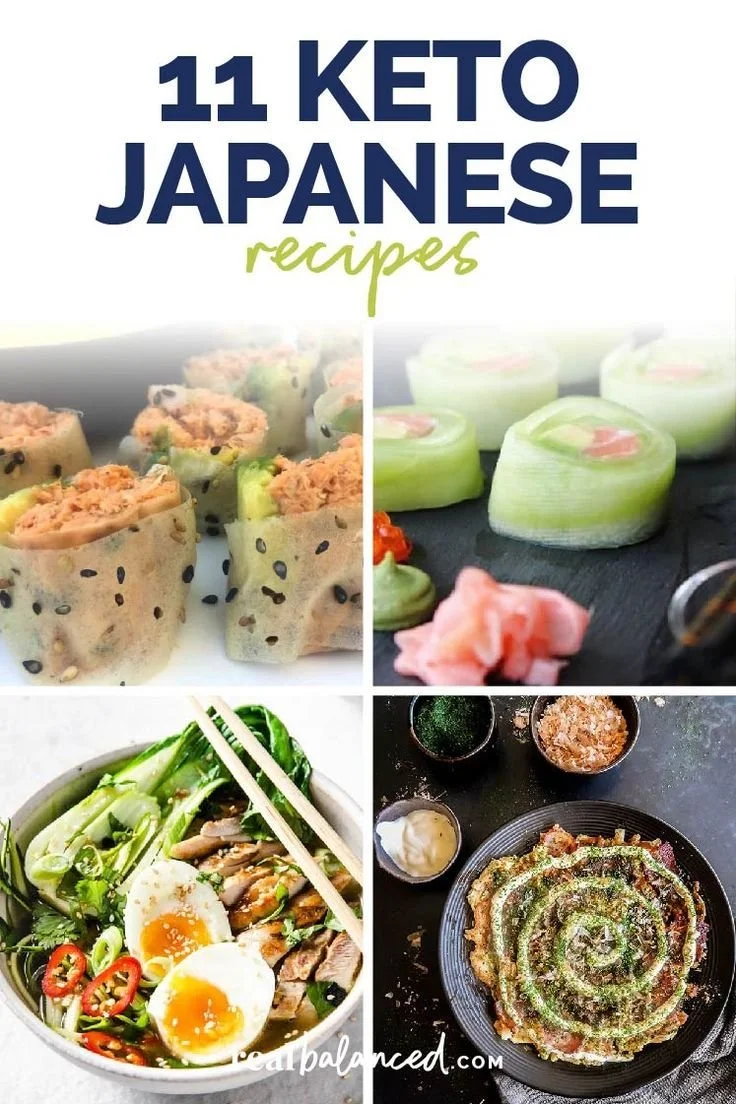
In this enriching blog post, you’ll learn how to make delectable Keto Japanese recipes that cater to both traditional flavors and modern dietary preferences. With each recipe, you’ll enjoy the ease of preparation and the delight of authentic taste, perfect for anyone looking to indulge in Japanese cuisine without the carbs.
Why You’ll Love Keto Japanese Recipes
- Low-Carb Comfort: Enjoy all your favorite Japanese dishes while keeping it low-carb. These recipes allow you to relish traditional flavors without the extra carbs, making them perfect for keto diets.
- Simple Ingredients: These dishes use readily available ingredients, meaning you won’t have to hunt down specialty items. This makes cooking at home stress-free and enjoyable.
- Quick Prep and Cooking: Most of these recipes can be prepared and cooked in under an hour, making them an excellent choice for weeknight meals or when you’re short on time.
- Family-Friendly: Everyone in the family can enjoy these dishes. They cater to diverse tastes, ensuring that even picky eaters will likely find something they love.
- Great for Meal Prep: These recipes are easy to scale up for weekly meal prep, allowing you to enjoy delicious meals throughout your busy week without much fuss.
- Flavorful and Satisfying: Using rich flavors and traditional cooking techniques, these recipes ensure a truly satisfying meal that doesn’t feel like a compromise on taste.
Recipe Overview
- Prep Time: 15 minutes
- Cook Time: 30 minutes
- Total Time: 45 minutes
- Servings: 4 servings
- Difficulty Level: Easy
Ingredients You’ll Need for Keto Japanese Recipes
- Sushi Rice or Cauliflower Rice: Use sushi rice for traditional dishes or cauliflower rice for a lower-carb option.
- Nori (seaweed sheets): Essential for sushi rolls.
- Fresh Fish (tuna, salmon, etc.): High-quality fish yields the best flavor; feel free to use your favorites.
- Soy Sauce or Tamari: Adds umami flavor; tamari is gluten-free.
- Cucumbers: For crunch and freshness in rolls.
- Avocados: Provide creaminess and healthy fats.
- Mirin (optional): A sweet rice wine that enhances flavor.
- Ramen Noodles (Shirataki noodles for low-carb version): Use Shirataki noodles for a low-carb substitution.
- Broth (chicken, beef, or vegetable): To flavor your ramen dishes.
- Meat for Tonkatsu (pork or chicken): Choose your preferred meat for frying.
- Eggs: For coating the tonkatsu and gyoza.
- Panko Breadcrumbs (or almond flour for low-carb): Use traditional panko for crispiness; almond flour is a keto-friendly substitute.
- Gyoza Wrappers (or cabbage leaves for low-carb): Opt for traditional wrappers or cabbage for a lighter version.
- Ground Meat (pork, chicken, or shrimp): For gyoza filling.
- Vegetables (cabbage, garlic, ginger): For added flavor in gyoza, and great for stir-fries.
- Green Onions: For garnish and flavor enhancement.
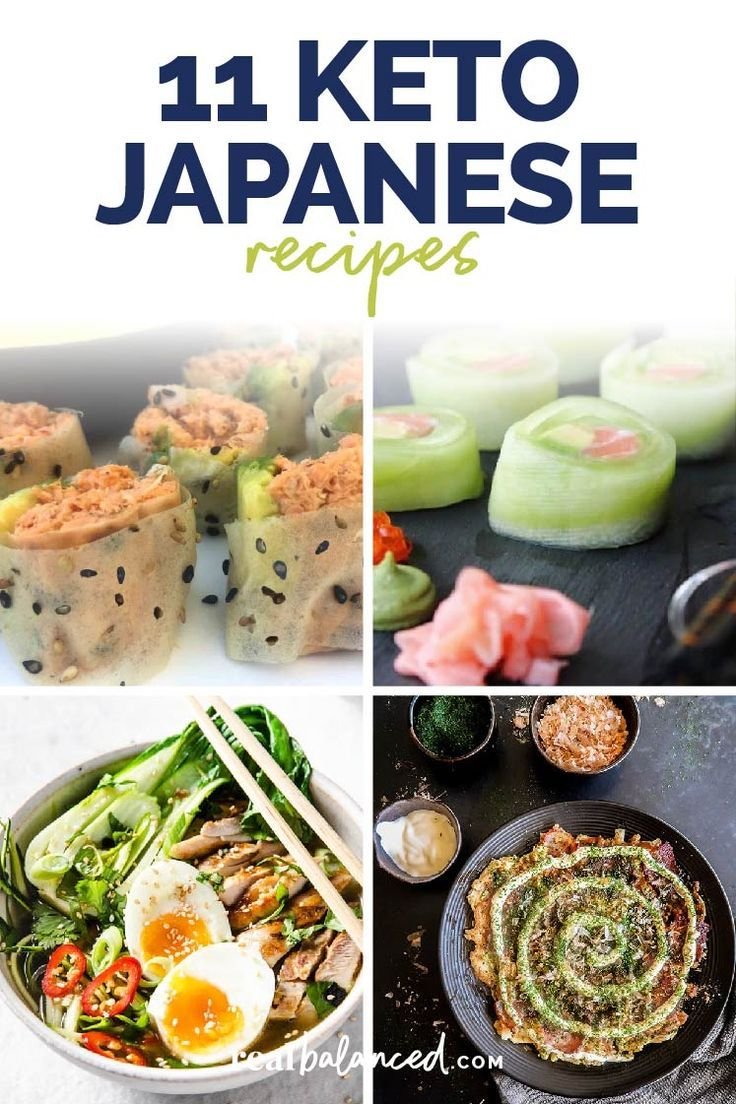
How to Make Keto Japanese Recipes
1. Prepare Sushi Rolls
- Prepare the Rice: If using sushi rice, cook it according to package instructions. For cauliflower rice, sauté it lightly to soften.
- Assemble Sushi: Lay a sheet of nori on a bamboo mat. Evenly spread a layer of rice, leaving a small border. Add slices of fish, avocado, and cucumber. Roll tightly, using the mat to shape it, then slice into bite-sized pieces.
2. Cook Ramen
- Prepare Noodles: Cook Shirataki noodles according to package instructions. If you’re using traditional ramen, boil them as directed.
- Simmer in Broth: Heat your broth in a pot, bringing it to a gentle simmer. Add your choice of protein and vegetables, allowing flavors to meld.
3. Make Tonkatsu
- Bread the Meat: Coat your chosen meat in beaten egg, then dredge in panko breadcrumbs or almond flour for a low-carb version.
- Fry Until Golden: Heat oil in a skillet over medium heat. Fry the prepared meat until golden brown on both sides, ensuring it’s cooked through.
4. Prepare Gyoza
- Mix Filling: In a bowl, combine ground meat with minced vegetables, garlic, ginger, and season with salt and pepper.
- Fill Wrappers: Place a spoonful of filling on a gyoza wrapper or cabbage leaf. Fold and seal tightly.
- Cook Gyoza: Heat oil in a pan. Place gyoza flat-side down, frying until crispy. Add water to the pan, cover, and steam until cooked through.
Tips for Success
- Use Quality Ingredients: The freshness of fish and vegetables makes a big difference in flavor; choose high-quality items for the best results.
- Control Heat: When frying meat, maintain the right temperature to avoid burning the breadcrumbs while ensuring the meat is cooked.
- Let Sushi Rest: Allow sushi rolls to rest for a few minutes after rolling them to let the rice firm up for easier slicing.
- Be Generous with Fillings: Don’t skimp on ingredients; they add flavor, texture, and fullness to dishes.
- Don’t Rush The Dishes: Allow enough time for each step, especially when frying or simmering for flavors to develop.
Easy Variations
- Vegetarian Rolls: Swap fish for roasted vegetables or tofu for a vegetarian option.
- Spicy Tuna: Add sriracha or chili oil to your tuna filling for an extra kick.
- Zoodle Soup: Substitute traditional noodles with spiralized zucchini for a fresh take on ramen.
- Stuffed Gyoza: Experiment with different meats and vegetables; try shrimp with cabbage for a coastal flavor.
- Coconut Aminos: Use coconut aminos instead of soy sauce for a soy-free alternative with a slightly sweeter taste.
What to Serve with Keto Japanese Recipes
- Miso Soup: A warm miso soup perfectly complements the meal with savory flavors.
- Edamame: Lightly salted edamame is a delicious, protein-rich snack.
- Japanese Pickles: Sweet and tangy pickles add a refreshing contrast to rich dishes.
- Seaweed Salad: A light seaweed salad offers a lovely texture and flavor balance.
- Stir-Fried Vegetables: A side of stir-fried vegetables adds color and nutrition.
Storage and Reheating
- Refrigerator Storage: Store any leftovers in an airtight container for up to three days.
- Freezer Storage: Sushi rolls do not freeze well; however, noodles, tonkatsu, and gyoza can be frozen for up to one month. Thaw overnight in the fridge before reheating.
- Reheating: Gently reheat tonkatsu in the oven or air fryer for crispness. Gyoza can also be reheated on the stovetop with a little water to steam.
- Preserving Texture: Add splashes of broth when reheating noodles to maintain humidity and avoid them drying out.
Common Mistakes to Avoid
- Using Stale Ingredients: Fresh ingredients, especially fish, are vital for authentic flavor.
- Overcrowding the Pan: Frying too many pieces at once can lower the oil temperature, leading to soggy coatings.
- Incorrectly Rolling Sushi: Don’t apply too much pressure when rolling; this can squash filling.
- Not Prepping Ahead: Gather and prepare ingredients before cooking to streamline the process.
- Skipping Flavor Additions: Don’t forget to season dishes adequately; flavor is key to an enjoyable meal.
Keto Japanese Recipes: Background & Cultural Inspiration
Keto Japanese recipes take inspiration from the rich culinary traditions of Japan, where freshness and simplicity highlight the natural flavors of ingredients. Sushi, tonkatsu, ramen, and gyoza showcase a blend of techniques and ingredients, from marinating meats to artfully wrapping fish in rice and nori. These dishes reflect Japan’s attention to detail and respect for seasonality, allowing one to indulge without sacrificing dietary preferences.
Frequently Asked Questions
How can I substitute cauliflower rice in sushi?
You can easily use cauliflower rice by sautéing it with a bit of vinegar, salt, and a touch of sugar to mimic sushi rice’s taste.
Can I prepare these dishes in advance?
Yes, many components like gyoza filling and marinated meats can be made a day ahead and stored in the refrigerator.
Are there gluten-free options for soy sauce?
Yes, tamari is a gluten-free alternative to traditional soy sauce, maintaining the same umami flavor.
How do I store leftovers from these recipes?
Store leftovers in airtight containers in the refrigerator, consumed within three days for the best quality.
What is the best way to spice up ramen?
Adding chili oil, fresh ginger, or sliced jalapeños can elevate your ramen’s spice level and flavor.
Final Thoughts
These Keto Japanese recipes offer a wonderful way to enjoy this exquisite cuisine while sticking to a low-carb lifestyle. With simple ingredients and straightforward instructions, you’ll find yourself creating delicious meals that impress family and friends alike. Dive into the flavors of Japan and discover how easy it is to bring these delightful dishes to your kitchen. Enjoy every bite!
PrintKeto Japanese Recipes
Indulge in traditional Japanese cuisine with these delicious low-carb recipes, perfect for keto diets.
- Prep Time: 15 minutes
- Cook Time: 30 minutes
- Total Time: 45 minutes
- Yield: 4 servings
- Category: Main Course
- Method: Cooking
- Cuisine: Japanese
- Diet: Keto
Ingredients
- Sushi Rice or Cauliflower Rice
- Nori (seaweed sheets)
- Fresh Fish (tuna, salmon, etc.)
- Soy Sauce or Tamari
- Cucumbers
- Avocados
- Mirin (optional)
- Ramen Noodles (Shirataki noodles for low-carb version)
- Broth (chicken, beef, or vegetable)
- Meat for Tonkatsu (pork or chicken)
- Eggs
- Panko Breadcrumbs (or almond flour for low-carb)
- Gyoza Wrappers (or cabbage leaves for low-carb)
- Ground Meat (pork, chicken, or shrimp)
- Vegetables (cabbage, garlic, ginger)
- Green Onions
Instructions
- Prepare Sushi Rolls: If using sushi rice, cook it according to package instructions. For cauliflower rice, sauté it lightly to soften.
- Assemble Sushi: Lay a sheet of nori on a bamboo mat. Evenly spread a layer of rice, leaving a small border. Add slices of fish, avocado, and cucumber. Roll tightly, using the mat to shape it, then slice into bite-sized pieces.
- Cook Ramen: Cook Shirataki noodles according to package instructions. If you’re using traditional ramen, boil them as directed.
- Simmer in Broth: Heat your broth in a pot, bringing it to a gentle simmer. Add your choice of protein and vegetables, allowing flavors to meld.
- Bread the Meat: Coat your chosen meat in beaten egg, then dredge in panko breadcrumbs or almond flour for a low-carb version.
- Fry Until Golden: Heat oil in a skillet over medium heat. Fry the prepared meat until golden brown on both sides, ensuring it’s cooked through.
- Mix Filling: In a bowl, combine ground meat with minced vegetables, garlic, ginger, and season with salt and pepper.
- Fill Wrappers: Place a spoonful of filling on a gyoza wrapper or cabbage leaf. Fold and seal tightly.
- Cook Gyoza: Heat oil in a pan. Place gyoza flat-side down, frying until crispy. Add water to the pan, cover, and steam until cooked through.
Notes
Use fresh and high-quality ingredients for the best flavor. Allow sushi rolls to rest before slicing.